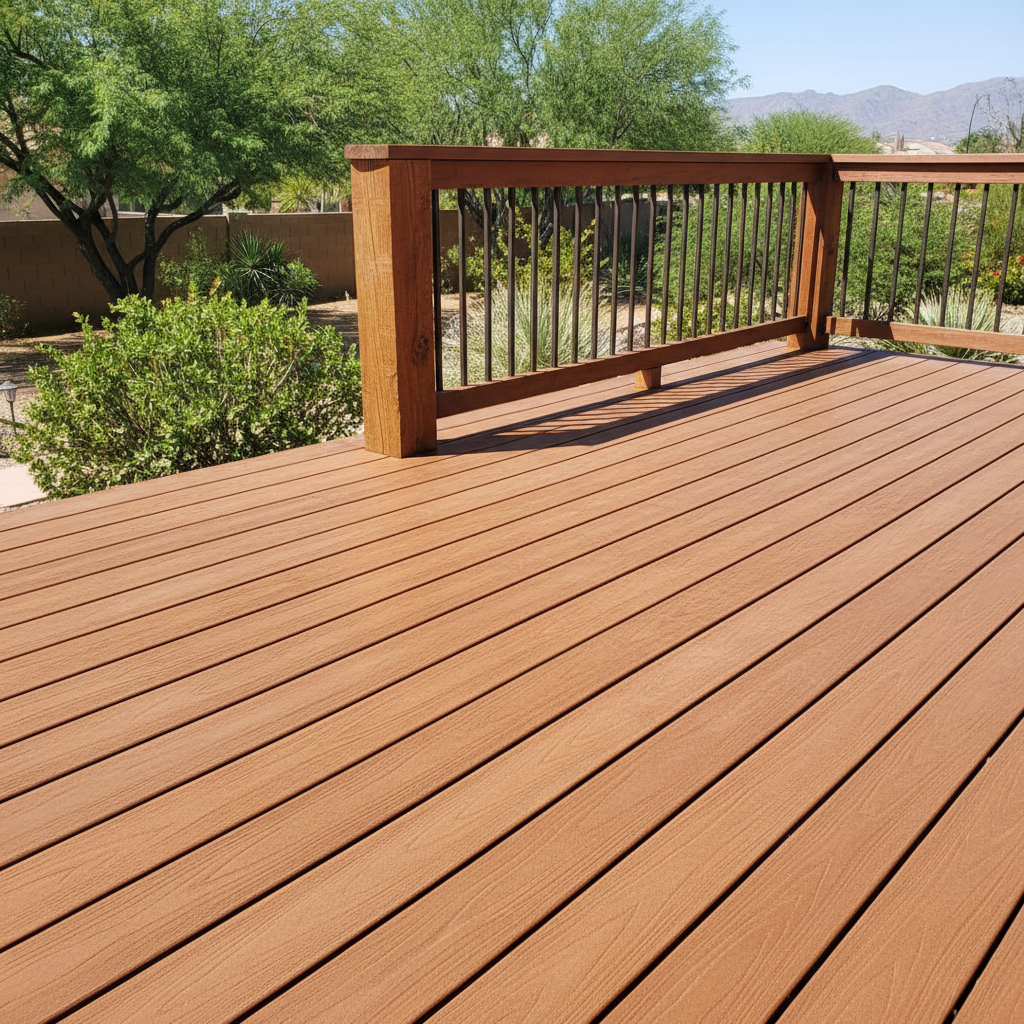
Alright, Laveen homeowners, let's talk decks. I'm Mike, and I've been building and fixing outdoor spaces here in the Valley for years. You've got questions, I've got answers – not marketing fluff, just the real deal from someone who knows what works and what doesn't in our unique desert climate. Forget the fancy sales pitches; here's what you actually need to know about building a deck that'll last and look good.
Do I really need a permit for my new deck in Laveen?
This is probably the first thing folks ask, and it's a good one. The short answer? Probably. Here in Laveen, we fall under City of Phoenix regulations. Generally, you need a building permit for any deck that sits more than 30 inches above the ground next to it. If your deck is lower than that and not over a basement or lower story, you might be off the hook. But here's the catch: even if it doesn't need a building permit, it still has to meet all the building codes and zoning setback rules. And if you're adding a roof, a pergola, or any kind of shade structure that needs structural support, that's almost certainly going to require a permit, no matter the deck's height. Trust me, it's always better to check with the City of Phoenix building department, or better yet, let us handle the permit process. Trying to skip it can lead to major headaches, fines, and having to tear down work you've already done. What a waste!
What kind of foundation do decks need in our Laveen soil?
Our soil here in Laveen can be a bit tricky, especially with some of the expansive clay you find around. For deck footings in the Phoenix area, you're typically looking at about 12 inches below grade. We don't have to worry about deep frost lines like they do up north, which is a nice break. However, if we hit expansive soils during excavation, the inspector might ask for deeper or wider footings, or even some special soil prep to make sure your deck stays put. We always make sure the footings are just the right size for the deck's weight and that they're concrete. That way, they won't push against your home's foundation. A solid foundation is non-negotiable; it's what keeps your deck from shifting or settling over time.
What are the best decking materials for the Arizona heat and sun?
This is where our desert climate really comes into play. That intense Laveen sun and dry heat can be brutal on materials. Traditional pressure-treated pine can dry out, crack, and split within a few years if you don't maintain it constantly. Cedar doesn't hold up much better. Composite decking is popular, and for good reason – it's low maintenance and resists fading and splintering. However, some composite materials can get scorching hot under direct sunlight, sometimes topping 150°F. If you're going with composite, make sure it's a high-quality, capped polymer or composite designed for high heat. What I've seen perform exceptionally well are tropical hardwoods like Ipe, Massaranduba, or Cumaru. These woods are incredibly dense, naturally resistant to UV, and stay significantly cooler than most composites. They handle our extreme dry periods and sudden monsoon downpours without structural issues. They do need oiling once or twice a year to keep their color, but they'll last decades.
How do I keep my deck from getting too hot in the summer?
Nobody wants a deck they can't walk on barefoot in July. Beyond choosing the right material, shade is your absolute best friend. A well-designed pergola or a solid patio cover can make a huge difference. You can go with aluminum, wood, or insulated panels for solid covers. Pergolas offer partial shade and can look really stylish. We often recommend adding retractable shade screens or awnings to pergolas or existing structures. These can be motorized, giving you instant relief from the sun when you need it and retracting when you want to enjoy the open sky. Even strategically placed shade sails can help a lot. Proper airflow is also key, so don't completely enclose your deck unless you're planning for outdoor cooling systems.
What about drainage? We get those crazy monsoon rains.
Ah, monsoon season. It's short, but it's intense. Proper drainage around your deck is crucial to prevent water pooling. Standing water can lead to structural issues and attract pests, you know? Decks should be sloped to effectively drain water away, either to perimeter areas or deck drains. The minimum slope should be 1/4 inch per foot. We make sure the site drainage directs all deck and roof runoff away from your house and the deck's foundation. Sometimes, yard drains or French drains are necessary to prevent water accumulation, especially if your yard tends to puddle. This protects your deck, your home's foundation, and keeps your outdoor space usable even after a heavy downpour.
How can I light my deck to make it usable at night?
You've invested in a great deck, so you'll want to use it after the sun goes down, right? Lighting isn't just about how it looks; it's about safety too. I always recommend a layered approach. First, you need functional lighting for safety, especially on stairs. Small fixtures installed directly into stair risers or along edges are perfect for this. Recessed deck lighting, flush with the deck boards, can provide subtle guidance along perimeters and walkways without being too bright. Then, you can add accent lighting to highlight features like planters, trees, or architectural elements. Low-voltage LED lighting is energy-efficient and durable, perfect for our climate. You can even get permanent, customizable LED systems that blend seamlessly with your home's architecture and can be controlled from your phone. Good lighting transforms your deck from just a platform into an inviting outdoor living room.
What kind of ongoing maintenance will my new deck require?
Even the best-built decks need a little love to stay looking good, especially with our Laveen sun. For wooden decks, regular cleaning and sealing are essential. I recommend sweeping off debris regularly and cleaning the entire deck at least once a season with a wood-safe cleaner. You'll want to apply a penetrating sealer annually to protect against UV rays and moisture. For composite decks, maintenance is generally easier – usually just sweeping and cleaning with mild soap and water to prevent mold or mildew. No matter the material, inspect your deck regularly for loose fasteners, cracked boards, or any signs of wear. Keep plants and bushes trimmed back from the deck to allow for good airflow and prevent moisture buildup. If you spot any raised nails, replace them with deck screws. A little preventative maintenance goes a long way in extending the life and beauty of your deck.