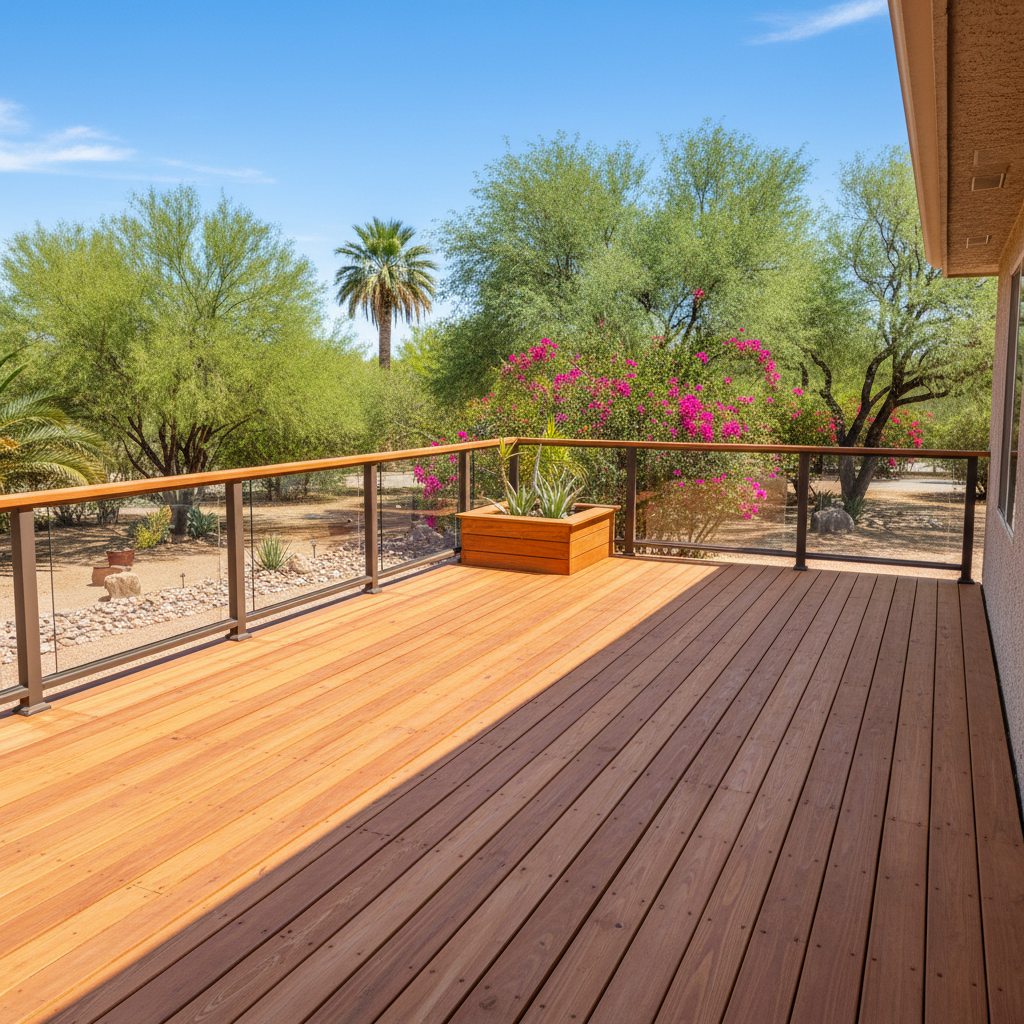
Your deck out here in Laveen gets hammered by the sun and heat, doesn't it? It's not just a pretty addition; it's an investment. And like any investment, it needs looking after, especially with our Arizona climate trying its best to dry everything out and fade it away. I've seen too many good decks go bad because folks didn't know what to look for or when to act. Let's talk about keeping your deck solid for years to come.
Extending Your Deck's Life in the Desert Heat
The sun is relentless here. It's the biggest enemy of any outdoor wood or composite structure. UV rays break down finishes, dry out wood, and can even degrade composites over time. That's why proper sealing and staining are crucial. If you've got a wood deck, you should be looking at re-sealing or re-staining every two to three years, sometimes even sooner if it's in direct, all-day sun. Don't skimp on quality products either; a good UV-resistant stain will pay for itself in longevity. For composite decks, while they're lower maintenance, they still need cleaning and sometimes a UV protectant to keep their color from fading unevenly.
Another thing we deal with here is the dust. It gets everywhere, and when it mixes with moisture, it can create a grimy layer that holds dampness against your deck surface, leading to mold or mildew, even in our dry climate. Regular cleaning isn't just about looks; it's about preventing problems.
What Regular Maintenance Looks Like
It's not rocket science, but it does take a little effort. Here's what I tell my clients:
- Clean it regularly: A good sweep to get rid of leaves and dirt is a weekly thing. A more thorough wash with a deck cleaner and a stiff brush (or a pressure washer on a low setting, carefully!) should happen a couple of times a year. Get rid of that Laveen dust and any grime that's built up.
- Inspect for damage: Walk your deck once a month. Look at the boards, the railings, the stairs. Are there any loose screws or nails? Are boards splitting? Is the finish wearing thin in high-traffic areas? Catching these early saves you a bigger headache later.
- Check the drainage: Make sure water isn't pooling anywhere on or under your deck. Our monsoon rains can dump a lot of water fast, and you want it to drain away efficiently. Standing water is a deck killer.
- Trim back plants: Keep bushes and trees trimmed away from your deck. They can trap moisture, drop leaves that decompose and stain, and even provide pathways for pests.
Warning Signs of Trouble
You don't need to be a pro to spot most problems. Your deck will tell you if something's wrong. Keep an eye out for these:
- Rotting wood: This is a big one. Poke at suspicious spots with a screwdriver. If the wood feels soft or spongy, or if it crumbles, you've got rot. Pay close attention to posts, joists, and any wood touching the ground. The constant expansion and contraction from our temperature swings can create small cracks where moisture can seep in and start the process.
- Loose or wobbly railings: This is a safety issue. If your railings feel unstable, don't ignore it. It usually means fasteners are failing or posts are rotting.
- Splintering or cracking boards: A few small cracks are normal, especially in our dry air. But large, deep cracks or widespread splintering means the wood is drying out too much or the finish isn't protecting it.
- Fungus or mold growth: Even in Laveen, you can get mold, especially in shady, damp spots. It looks like black, green, or white fuzzy patches. Clean it off and figure out why it's growing there.
- Pest damage: Termites love wood, and we've got plenty of them around here. Look for small holes, sawdust-like droppings, or mud tubes on the wood.
- Sagging or uneven surfaces: If your deck isn't level anymore, or if boards are noticeably dipping, that's a sign of structural issues underneath.
When to Call a Professional
Look, some things you can handle yourself, like cleaning or tightening a few screws. But there are times when it's just smarter, and safer, to bring in someone who knows what they're doing. If you see widespread rot, significant structural damage like sagging beams or joists, or if you're unsure about the integrity of your deck, that's when you call us. Don't try to DIY a major structural repair if you're not experienced; you could make it worse or, more importantly, create a safety hazard.
We're Laveen Deck & Porch, and we've been building and repairing decks right here in the valley for years. We know what our climate does to outdoor structures. If you're seeing any of those warning signs, or if you just want an expert eye to give your deck a once-over, give us a call. We're happy to come out, take a look, and give you an honest assessment of what needs to be done to keep your deck safe and looking good for years to come.